Does seawater reduce how much the polymer absorbs?
Yes, substantially. Dissolved sodium, calcium and magnesium all limit swelling, so marine sediment needs more polymer than freshwater sediment and has to be tested in its own water.


Condition wet dredge spoil from ports, marinas, rivers and lakes so it can be loaded, stockpiled and trucked without running.
Dredged material can change from clean sand to black organic silt within one campaign, and the water it carries may be fresh, brackish or full-strength seawater. AuraChem screens grades in your own sediment and site water before suggesting a product.
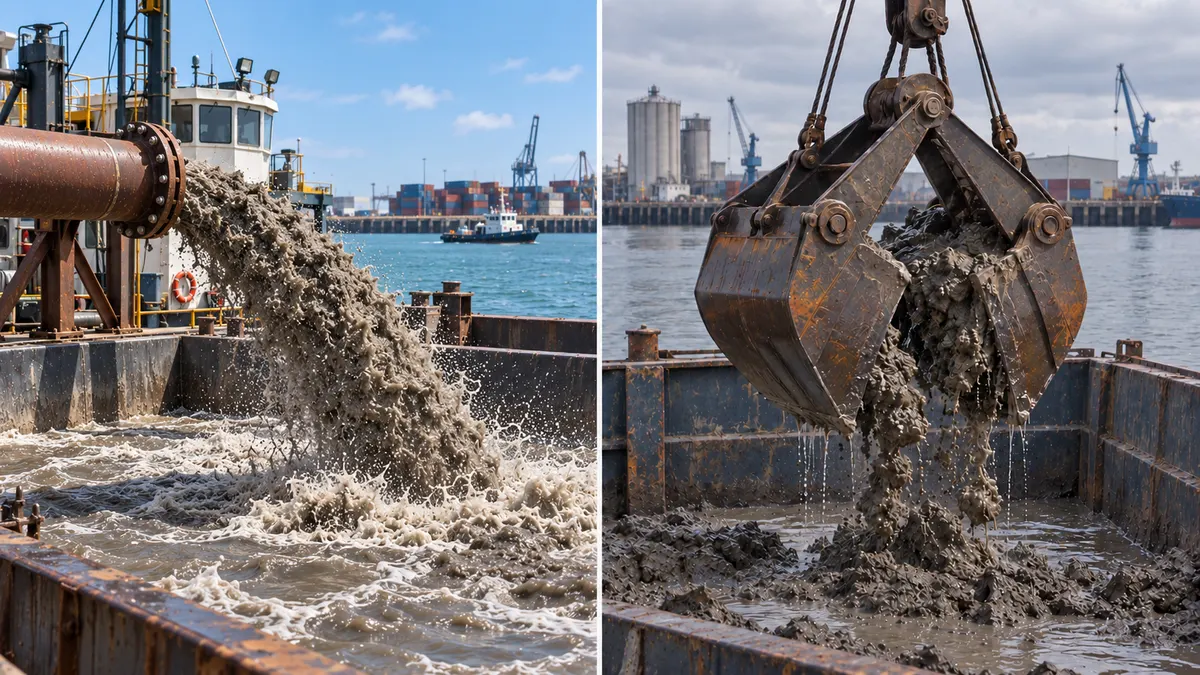
Cutter suction and trailing hopper dredges deliver a pumped mixture that is mostly water, while backhoe and grab dredging lifts sediment closer to its in-place moisture. Once ashore, coarse sand drains within hours. Fine silt, clay and organic mud from marinas, canal estates and stormwater basins can stay soft for weeks.
That spread is the core difficulty. A dose that firms up sandy channel material barely touches a soft organic silt, and a single campaign can move between the two as the dredge works through a berth pocket or up a river reach.
Most Australian dredging happens in estuaries, harbours and coastal lakes, so the water held in the sediment is usually salty. Sodium polyacrylate swells far less in seawater than in fresh water, and the calcium and magnesium in seawater cut its capacity further. Testing in tap water can make a grade look many times better than it will be on site.
Estuarine sediment along much of the Australian coast can also contain potential acid sulfate soils, which generate acid once exposed to air. Polymer conditioning changes how wet the material is, not its acid-generating potential, so acid sulfate soil management, sampling and the receiving site's requirements still apply.
Polymer captures the free water draining from the sediment and turns it into gel spread through the solids. Sand and silt grains are then held in a firmer, cohesive mass that can be pushed, stacked and loaded instead of slumping back into a puddle.
Treatment usually sits alongside the project's existing water management, not in place of it. Letting the sediment settle and decanting the clear water off a bund or geotextile tube first means the polymer only has to deal with the water left in the solids, which is a much smaller and more predictable job.
A dose worked out in fresh water will understate the amount needed for marine sediment, so saline projects are always tested in their own water.
These are potential operational benefits subject to material testing and field or production validation.
Soft spoil can be loaded and trucked sooner instead of waiting in drying cells
Less runoff from stockpiles and fewer spills from trucks on public roads
Treatment can be stepped up or down as the dredge moves into different sediment
Far less material added than drying spoil with lime, sand or soil
For each material zone, the screen records the grade that held the water at the site's salinity, the amount used per tonne or cubic metre of decanted spoil, how long it took to firm up and whether the treated sediment stayed stable after standing. Where salinity or organic content make the polymer uneconomic for a zone, the results show that too, so the project can rely on drainage or mechanical dewatering there.
Yes, substantially. Dissolved sodium, calcium and magnesium all limit swelling, so marine sediment needs more polymer than freshwater sediment and has to be tested in its own water.
Usually. Settling the spoil and removing clear water first leaves only the water held in the sediment, which reduces the dose and makes results more consistent.
It can be used on material discharged from tubes, or on sediment that has partly drained inside them, to firm it up for handling. Flocculants used to fill the tubes are a separate step.
No. The polymer changes how wet the sediment is, not whether it can generate acid. Acid sulfate soil management still applies under the project's approvals.
No. Contaminant levels decide classification and where the spoil can go. Conditioning makes it easier to move, not cleaner.
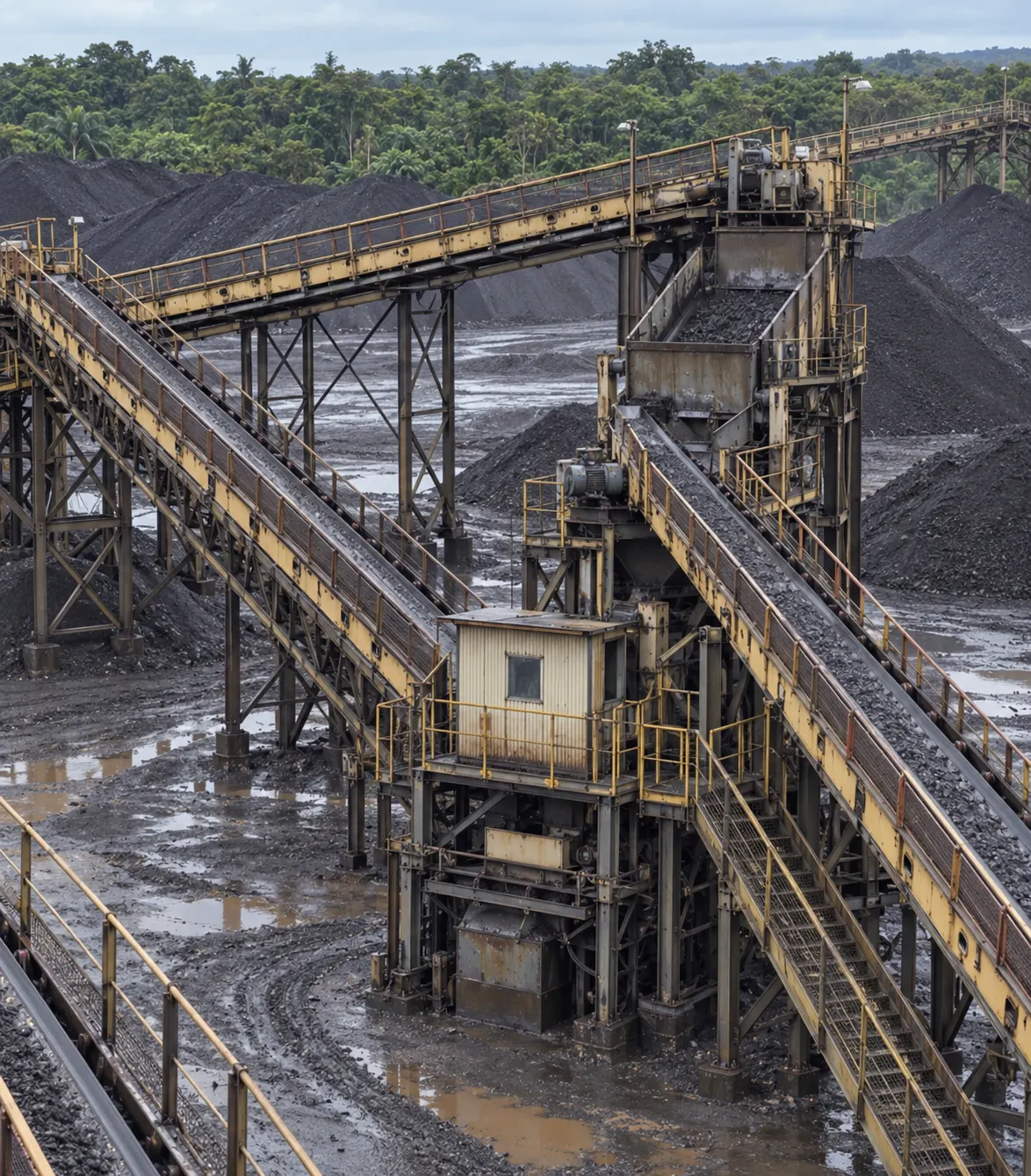
Fine tailings and process residues share the same silt-and-salt challenge, on a mine site instead of a waterway.
Relevant Products
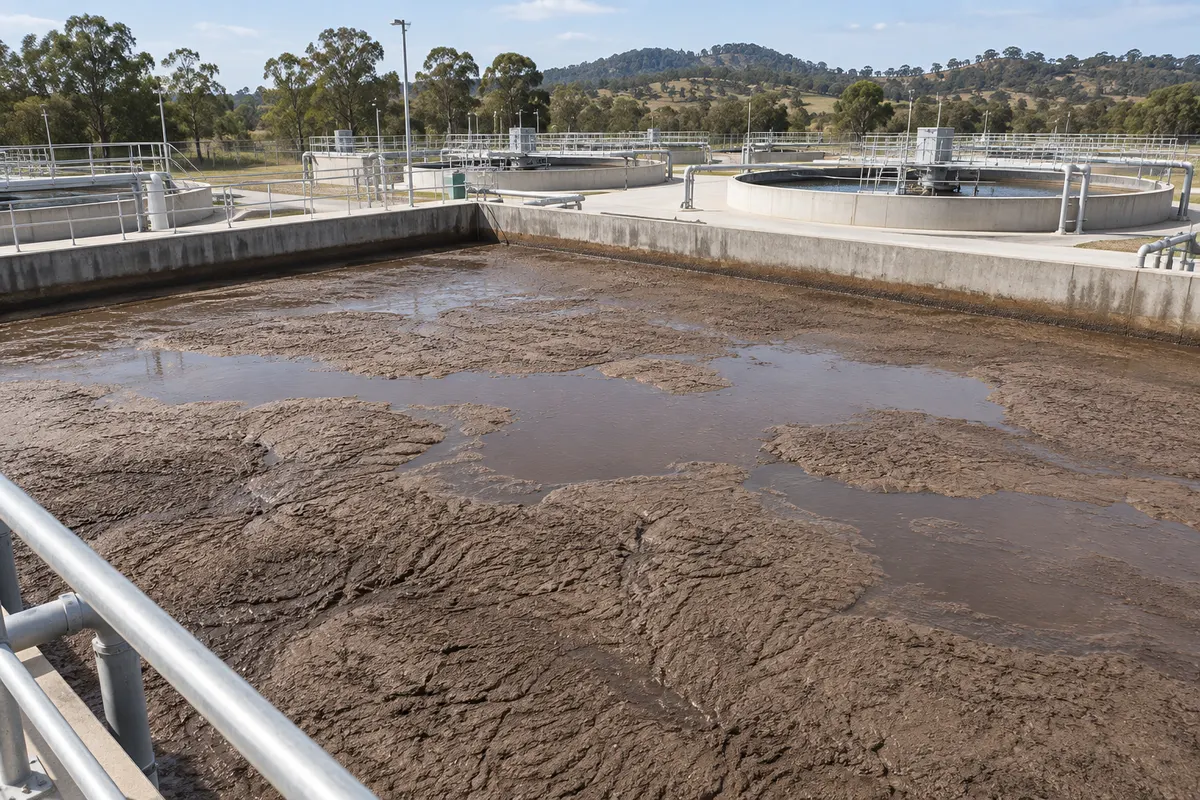
Stormwater basin and lagoon cleanouts produce soft sludge similar to fine organic dredge spoil.
Relevant Products
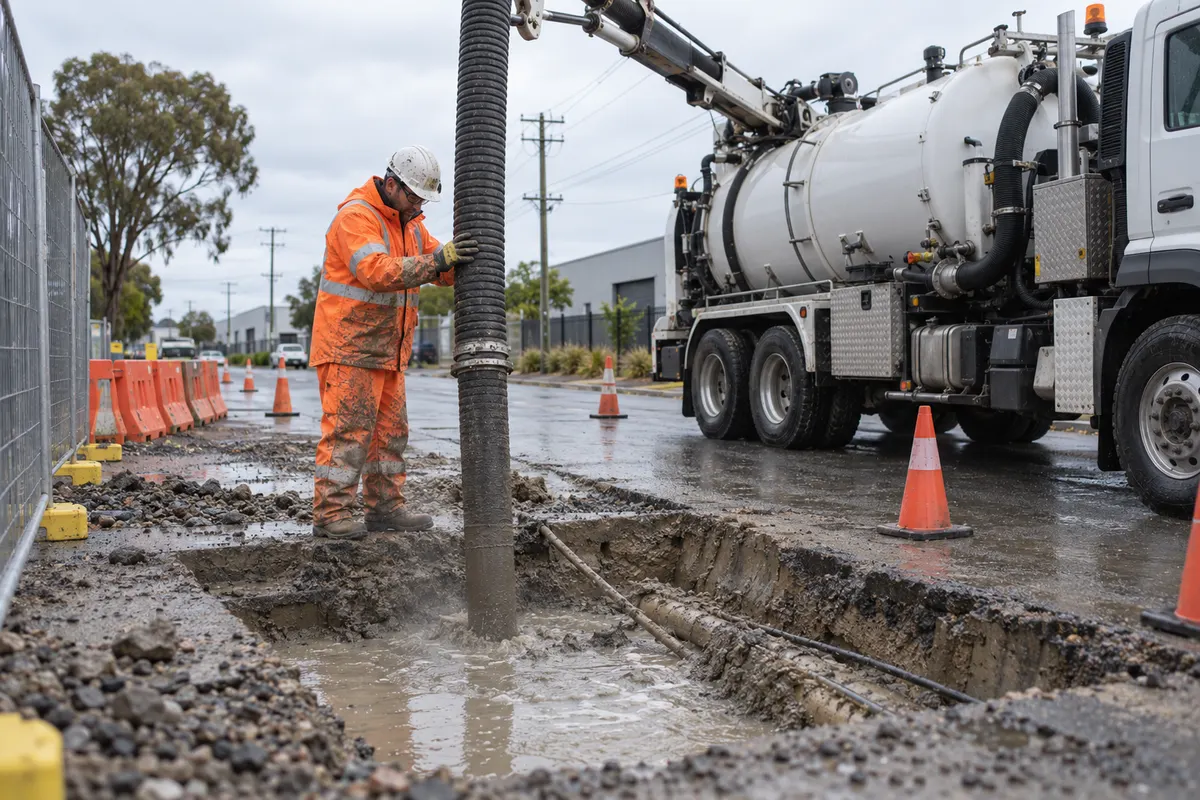
Hydro-excavated soil arrives as a watery slurry, like pumped dredge material on a smaller scale.
Relevant Products
Send sealed sediment samples from the zones you expect to dredge and we will compare grades at your project's salinity.