Why does saline take more solidifier than water?
Dissolved salt limits how far the polymer can swell, so each gram holds much less saline than pure water. Containers are sized using saline or body-fluid simulants.

Gel aqueous clinical fluids inside approved suction canisters and containers so they cannot slosh or spill on the way to treatment.
Body fluids and irrigation solutions are salty and protein-rich, which makes them harder to gel than water. AuraChem supplies polymer for use within healthcare facilities' approved procedures and screens it against representative liquids where that is safe and permitted.
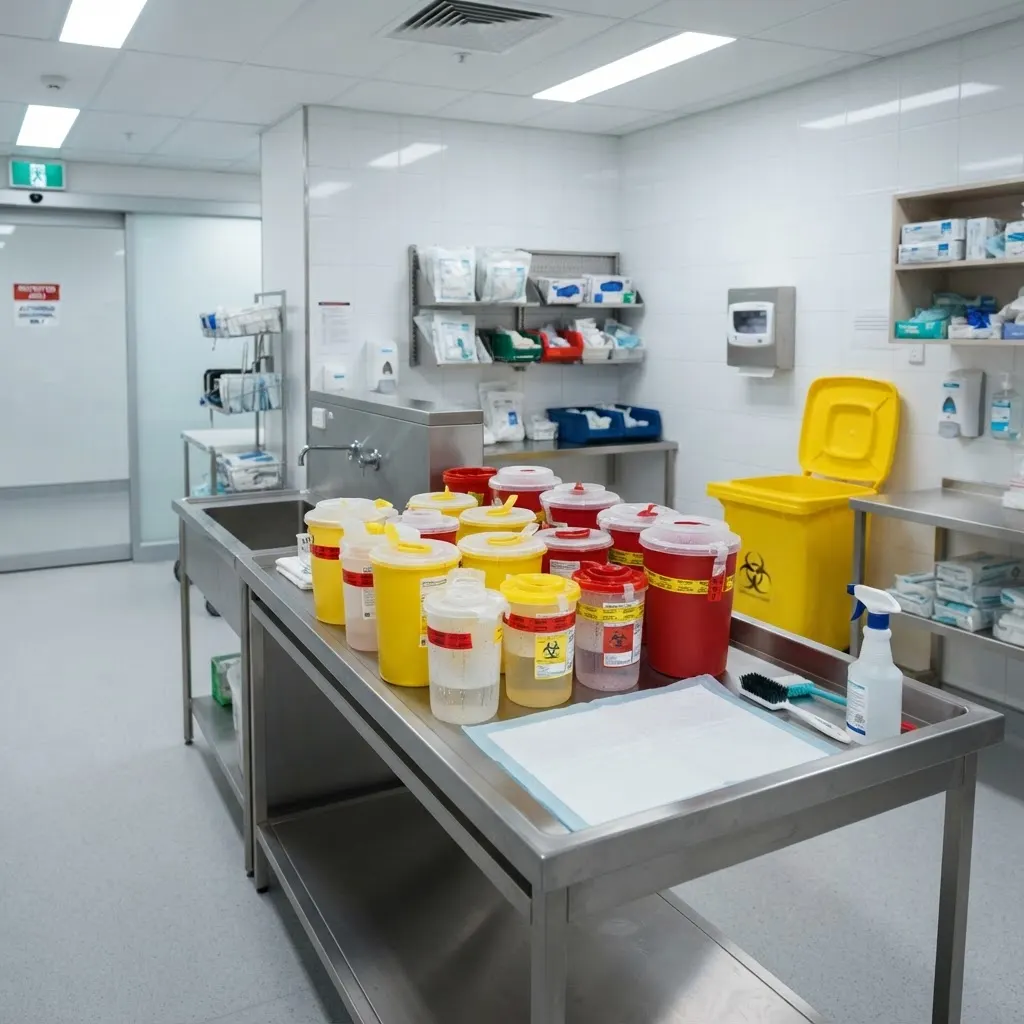
Operating theatres, procedure rooms, dialysis units and laboratories generate liquid waste: suction canister contents, irrigation fluid, blood and body fluids, and aqueous lab solutions. Collected as a liquid, it can spill when canisters are changed, leak if a container cracks and slosh during internal transport and collection.
Gelling the liquid in its container, by adding solidifier at the point of use or pre-loading it into canisters or liners, keeps it in place through handling. The container, closure and waste stream still have to comply with the facility's clinical waste procedures and the relevant state requirements.
Normal saline and most body fluids contain sodium chloride at levels that greatly reduce a polyacrylate's capacity compared with pure water, and blood and serum add protein. A quantity sized from clean-water figures can leave free liquid in the canister.
Headspace is the practical limit. The gelled contents take up more room than the liquid alone, and the canister has to close properly once full, so the amount of solidifier is checked against the container's real working volume.
Solidifier added to the canister swells as it takes up the fluid, turning it into a firm gel that will not pour out if the container is tipped or damaged. Fast uptake matters, because canisters are often sealed and moved soon after a procedure ends.
The gel holds the liquid in place and nothing more. It does not disinfect the waste, deactivate pathogens or neutralise drugs, and it does not change how the waste must be packaged, labelled, transported or treated.
These are potential operational benefits subject to material testing and field or production validation.
Fluid stays in place if a canister is tipped or cracked
Less sloshing during internal transport and collection
Solidifier can be matched to the facility's container sizes
Simple to add as part of an existing procedure
AuraChem can supply product data and documentation, screen gelling in saline or suitable simulants, and help match the amount to your containers. Decisions on infection control, clinical procedures and regulatory compliance remain with the facility and its waste contractor.
Dissolved salt limits how far the polymer can swell, so each gram holds much less saline than pure water. Containers are sized using saline or body-fluid simulants.
No. It gels the liquid but does not kill pathogens or neutralise drugs. Treatment of the waste still happens downstream.
Pre-loading or adding at the end of a procedure can both work. The choice depends on the canister design and the facility's procedure.
Yes. Gelling makes it easier to contain but does not change its classification or how it must be treated.
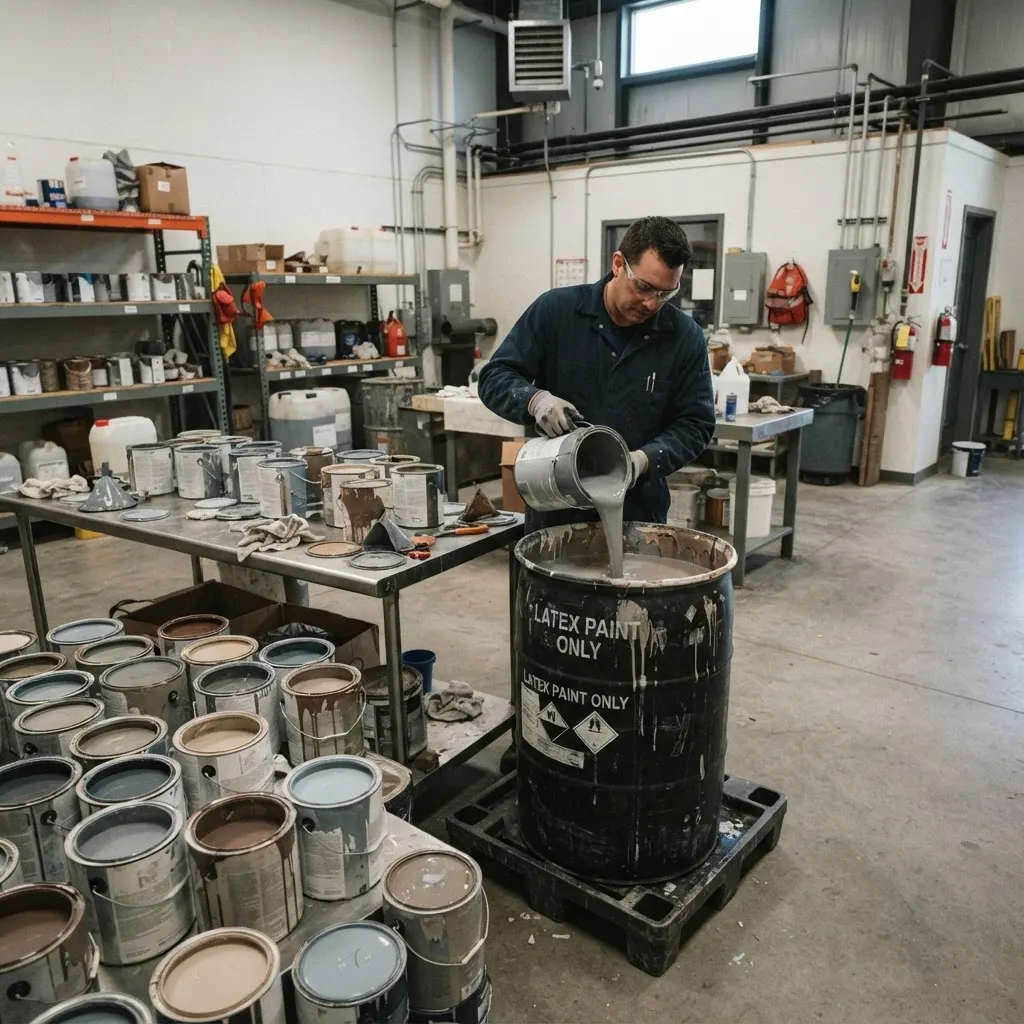
Solidifying an aqueous liquid in its container before it is collected, applied to paint waste.
Relevant Products
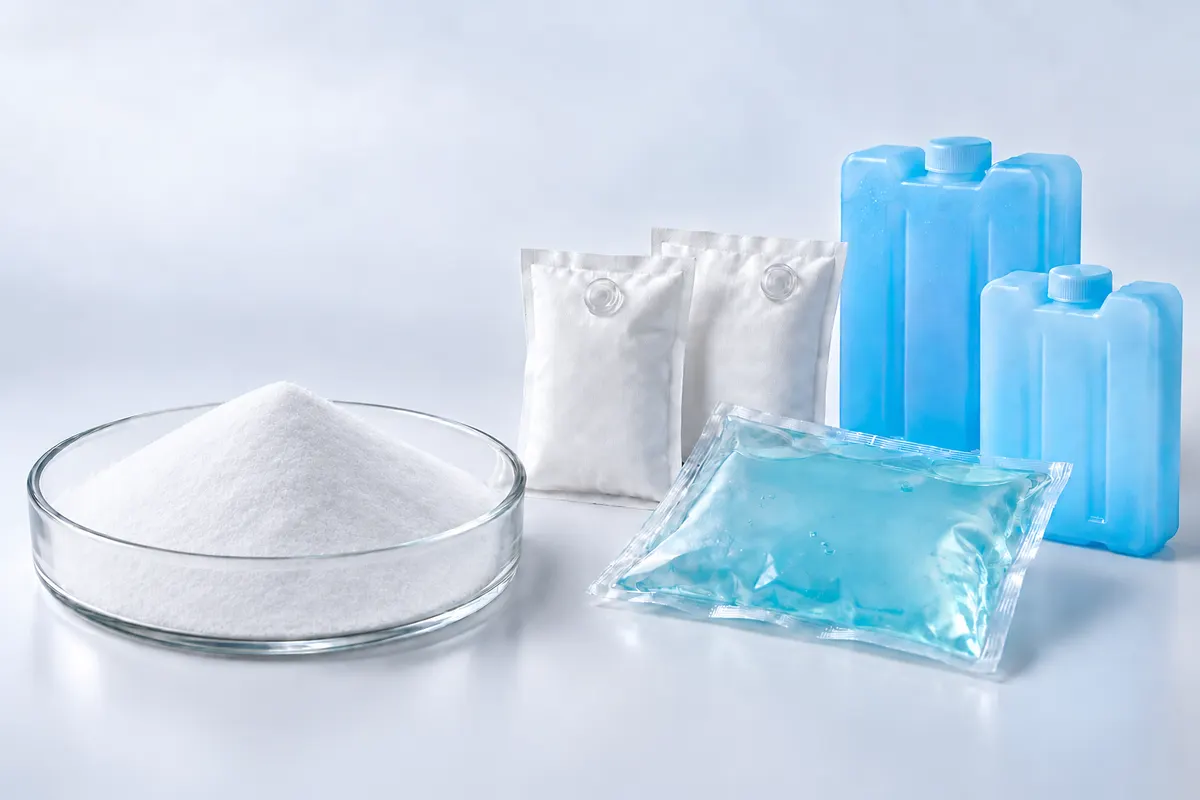
Uses the same polymer chemistry to turn water into a stable gel inside a sealed pack.
Relevant Products
Tell us about your fluids and canister sizes and we will screen gelling with saline or a suitable simulant.