Why use potassium-based polymer instead of sodium polyacrylate?
Sodium released into soil can damage soil structure over time. Potassium-based polymers like AuraSorb 9000 are designed for use in the root zone.


Hold extra water in sandy soils and free-draining potting mixes and release it to roots between waterings.
AuraSorb 9000 Series water-retention polymers are potassium-based acrylate–acrylamide copolymers designed to work in soil. AuraChem helps nurseries, landscapers and growing-media producers choose particle size and placement for their mix and irrigation water.
Superabsorbents made for waste treatment and hygiene products are usually sodium polyacrylates. Repeatedly releasing sodium into soil can degrade soil structure, which is why polymers made for horticulture use potassium instead. AuraSorb 9000 is a potassium-based acrylate–acrylamide copolymer, built to swell, release water and swell again in the root zone.
The polymer suits media that drain fast and dry out quickly: sandy soils, bark-based potting mixes, hanging baskets, green roofs and new plantings that have not yet rooted into surrounding soil.
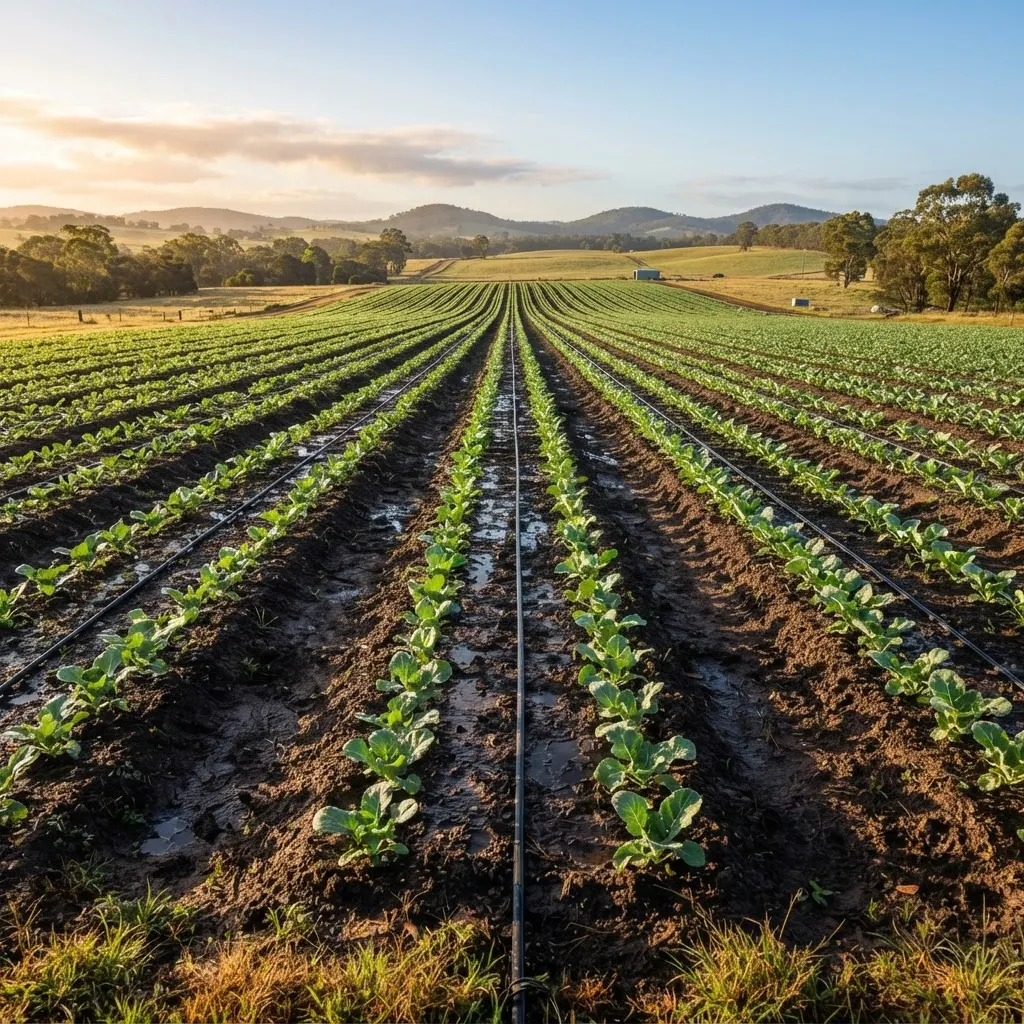
Much of Australia's urban and peri-urban growing happens on sandy soils, from Perth's coastal plain to sandy loams in South Australia and Victoria, under long hot summers and water restrictions. Water applied to these soils drains past the root zone quickly, which is the gap a water-retention polymer is meant to fill.
Irrigation water quality matters. Bore water and recycled water can be saline, and fertiliser adds dissolved salts. Both reduce how much the polymer holds, so performance should be judged in the water actually used on site, not in rainwater.
Mixed into soil or potting media, the dry granules absorb irrigation or rain water and swell into soft gel particles. As the surrounding medium dries, roots and soil draw water back out of the gel, and the particles shrink until the next watering rehydrates them.
The polymer evens out the swings between wet and dry. It does not create water or replace a sensible irrigation schedule. Over-applying it can make media swell and heave or lose air space, so rate and placement matter as much as the product itself.
These are potential operational benefits subject to material testing and field or production validation.
Extra water held in sandy soils and free-draining mixes
Smoother moisture between waterings for containers and baskets
Support for new plantings while roots establish
Rehydrates with each irrigation or rain event
A trial compares swelling in your irrigation water, checks drainage and air space in the treated mix, and gives a starting rate and particle size for a controlled planting trial. It does not guarantee water savings or yield, which depend on climate, plants and irrigation management.
Sodium released into soil can damage soil structure over time. Potassium-based polymers like AuraSorb 9000 are designed for use in the root zone.
Yes. Dissolved salts limit swelling, so polymer holds less in saline bore or recycled water than in rainwater. Trials should use the actual irrigation water.
Granules on the surface dry out and can wash away. Mixing into the root-zone media or placing in the planting hole gives more reliable results.
It can lengthen the time between waterings in free-draining media, but irrigation still has to match the plants, climate and mix.
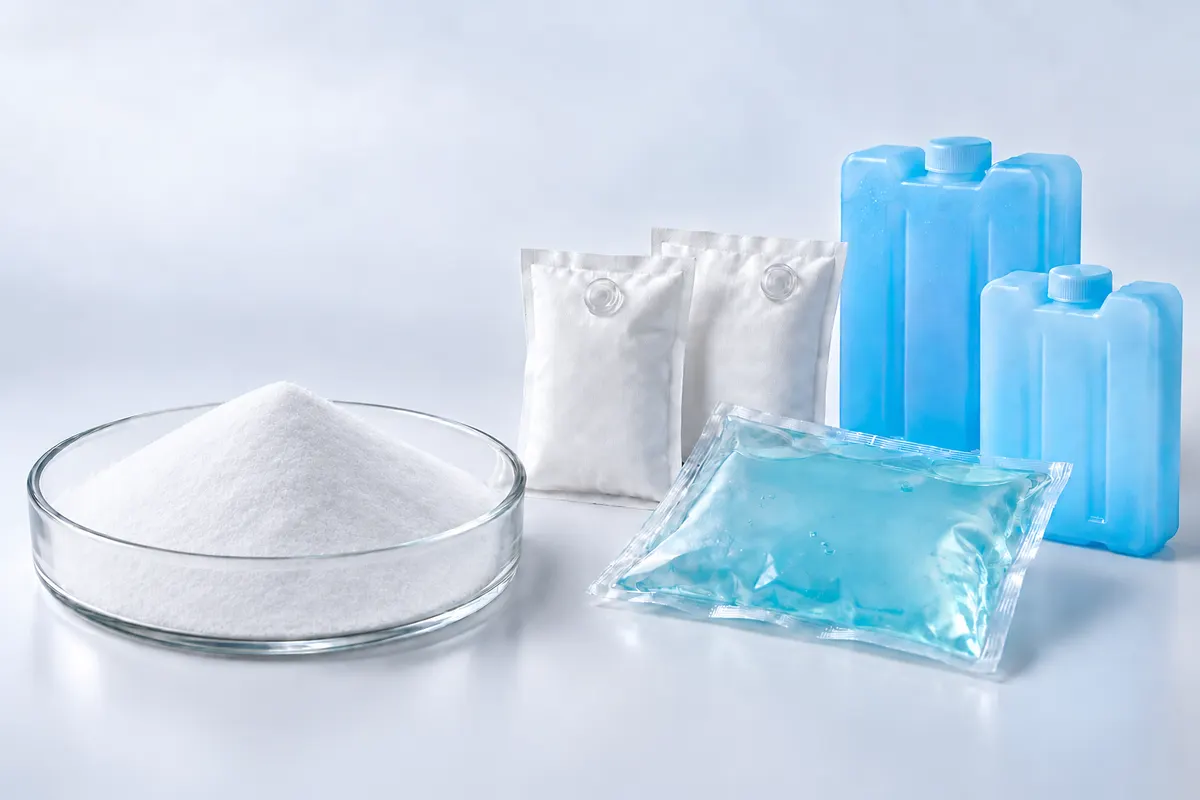
Uses a superabsorbent to hold water in a stable gel, in a sealed pack rather than in soil.
Relevant Products
Tell us about your mix, plants and irrigation water and we will suggest an AuraSorb 9000 particle size and trial approach.